



Plantar warts are small growths that develop on parts of the feet that bear weight. They're typically found on the bottom of the foot. Don't live with plantar warts, and call us today!

2305 Easton Avenue
Bethlehem, PA 18017
Plantar warts are small growths that develop on parts of the feet that bear weight. They're typically found on the bottom of the foot. Don't live with plantar warts, and call us today!
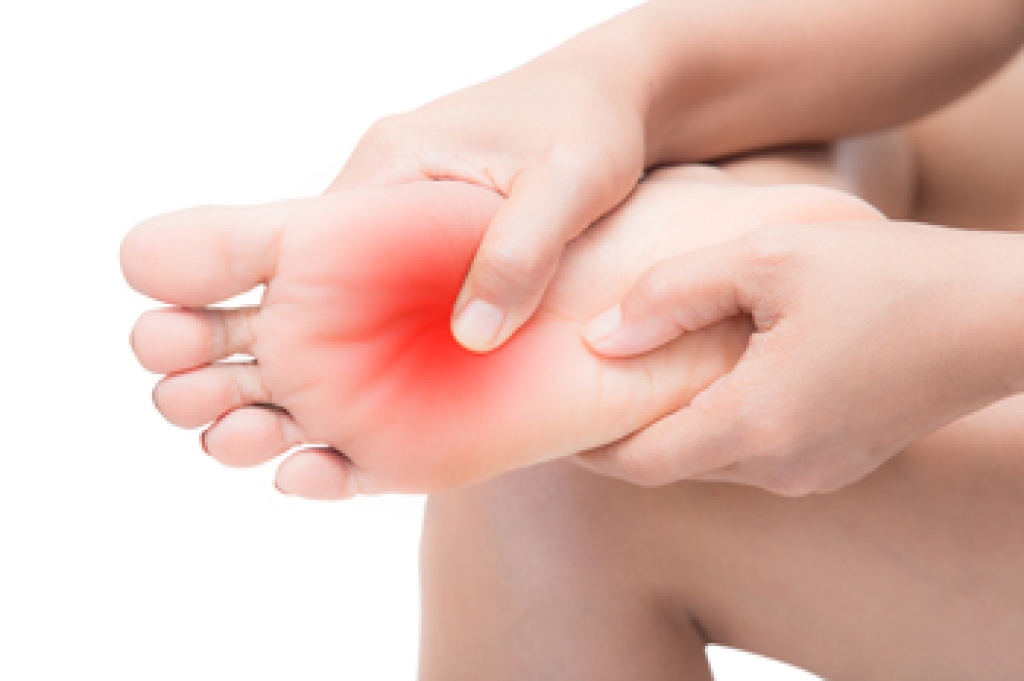 The pain that is typically associated with Morton’s neuroma is felt in the ball of the foot. Many patients often describe it as a sharp, burning pain, and it may feel like there is a small stone in your shoe. This condition may develop from wearing shoes that are too tight, or from participating in high impact activities. Additionally, people who have foot conditions that can include bunions and hammertoes, or who are significantly overweight, may also experience Morton’s neuroma. This ailment is defined as growths that form around the nerves between the second and third toes, and when pressure is added, may cause pain and discomfort. A proper diagnosis generally consists of having an MRI taken, as this may be effective in identifying unwanted growths. If you are afflicted with Morton's neuroma, it is strongly suggested that you schedule a consultation with a podiatrist who can treat this condition.
Morton’s neuroma is a very uncomfortable condition to live with. If you think you have Morton’s neuroma, contact Dr. Edwin S. Hart of Pennsylvania. Our doctor will attend to all of your foot care needs and answer any of your related questions.
Morton’s Neuroma
Morton's neuroma is a painful foot condition that commonly affects the areas between the second and third or third and fourth toe, although other areas of the foot are also susceptible. Morton’s neuroma is caused by an inflamed nerve in the foot that is being squeezed and aggravated by surrounding bones.
What Increases the Chances of Having Morton’s Neuroma?
Morton’s neuroma is a very treatable condition. Orthotics and shoe inserts can often be used to alleviate the pain on the forefront of the feet. In more severe cases, corticosteroids can also be prescribed. In order to figure out the best treatment for your neuroma, it’s recommended to seek the care of a podiatrist who can diagnose your condition and provide different treatment options.
If you have any questions, please feel free to contact our office located in Bethlehem, PA . We offer the newest diagnostic and treatment technologies for all your foot care needs.
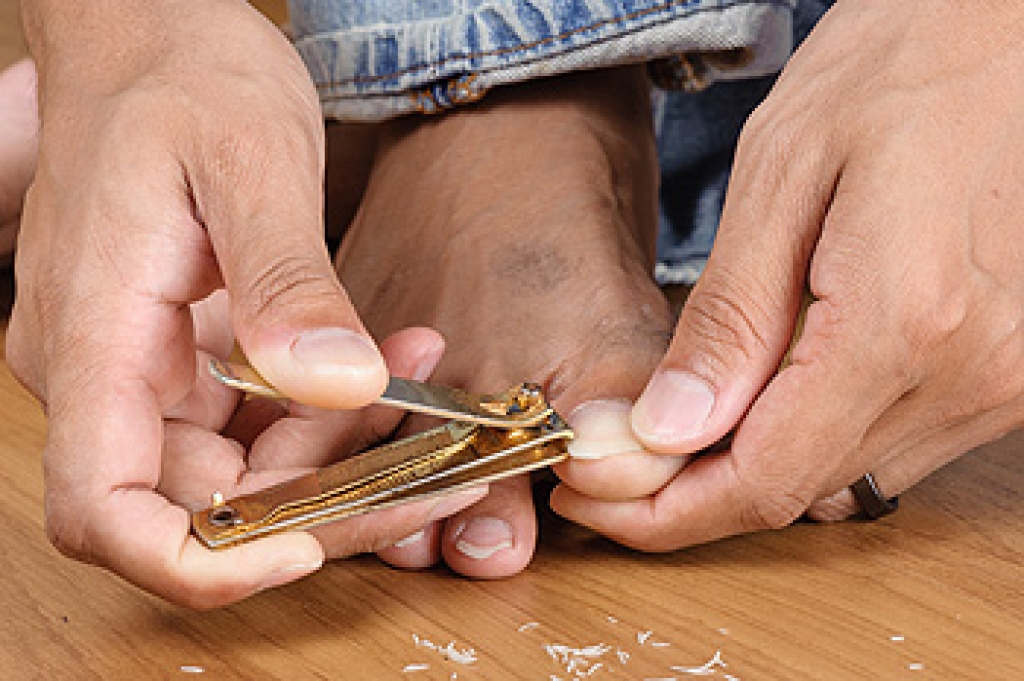 When the toenail grows into the flesh instead of over it, it is referred to as an ingrown toenail. The big toe is usually the most common to become affected. This condition can be particularly painful and may lead to an infection if left untreated. To help prevent an ingrown toenail, it is recommended that you trim the toenails properly, which is straight across, not on a curve or following the shape of your toe. Additionally, toenails should not be trimmed too short. Symptoms associated with ingrown toenails generally include swelling and redness around the affected area. Additionally, for more severe cases, you may notice bleeding or oozing of pus, which can be an indication that an infection has developed. To safely treat an ingrown toenail it is suggested that you consult with a podiatrist.
Ingrown toenails can become painful if they are not treated properly. For more information about ingrown toenails, contact Dr. Edwin S. Hart of Pennsylvania. Our doctor can provide the care you need to keep you pain-free and on your feet.
Ingrown Toenails
Ingrown toenails occur when a toenail grows sideways into the bed of the nail, causing pain, swelling, and possibly infection.
Causes
Prevention
Wearing proper fitting shoes and using proper cutting techniques will also help decrease your risk of developing ingrown toenails.
Treatment
Ingrown toenails are a very treatable foot condition. In minor cases, soaking the affected area in salt or antibacterial soaps will not only help with the ingrown nail itself, but also help prevent any infections from occurring. In more severe cases, surgery is an option. In either case, speaking to your podiatrist about this condition will help you get a better understanding of specific treatment options that are right for you.
If you have any questions, please feel free to contact our office located in Bethlehem, PA . We offer the newest diagnostic and treatment technologies for all your foot care needs.
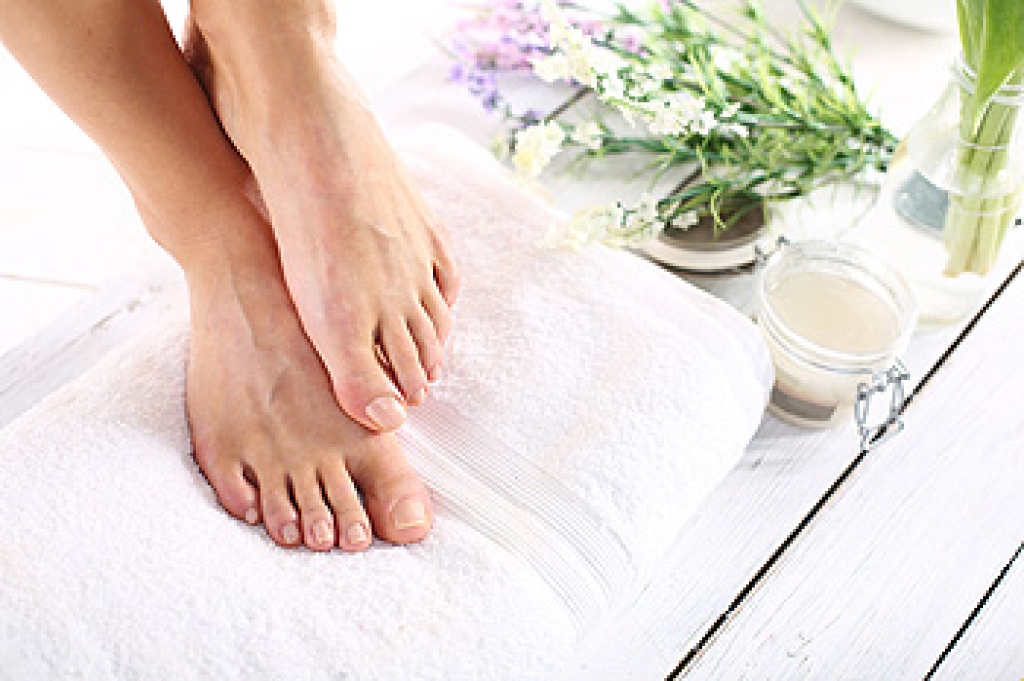 Our feet provide support for the overall body. When the feet are properly taken care of, daily activities may easily be completed. The feet may feel better when your shoes fit correctly, and your toenails are frequently trimmed. Many patients find it relaxing to wash and dry their feet daily, followed by using a good moisturizer. This may help to maintain soft skin, which may possibly prevent cracked heels. It is suggested to patients who prefer to get pedicures to ensure that the salon is using clean and sterile instruments. If you would like additional information about the importance of everyday foot care, please consult with a podiatrist.
Everyday foot care is very important to prevent infection and other foot ailments. If you need your feet checked, contact Dr. Edwin S. Hart from Pennsylvania. Our doctor can provide the care you need to keep you pain-free and on your feet.
Everyday Foot Care
Often, people take care of their bodies, face and hair more so than they do for their feet. But the feet are a very important aspect of our bodies, and one that we should pay more attention to. Without our feet, we would not be able to perform most daily tasks.
It is best to check your feet regularly to make sure there are no new bruises or cuts that you may not have noticed before. For dry feet, moisturizer can easily be a remedy and can be applied as often as necessary to the affected areas. Wearing shoes that fit well can also help you maintain good foot health, as well as making it easier to walk and do daily activities without the stress or pain of ill-fitting shoes, high heels, or even flip flops. Wearing clean socks with closed shoes is important to ensure that sweat and bacteria do not accumulate within the shoe. Clean socks help to prevent Athlete’s foot, fungi problems, bad odors, and can absorb sweat.
If you have any questions, please feel free to contact our office located in Bethlehem, PA . We offer the newest diagnostic and treatment technologies for all your foot care needs.
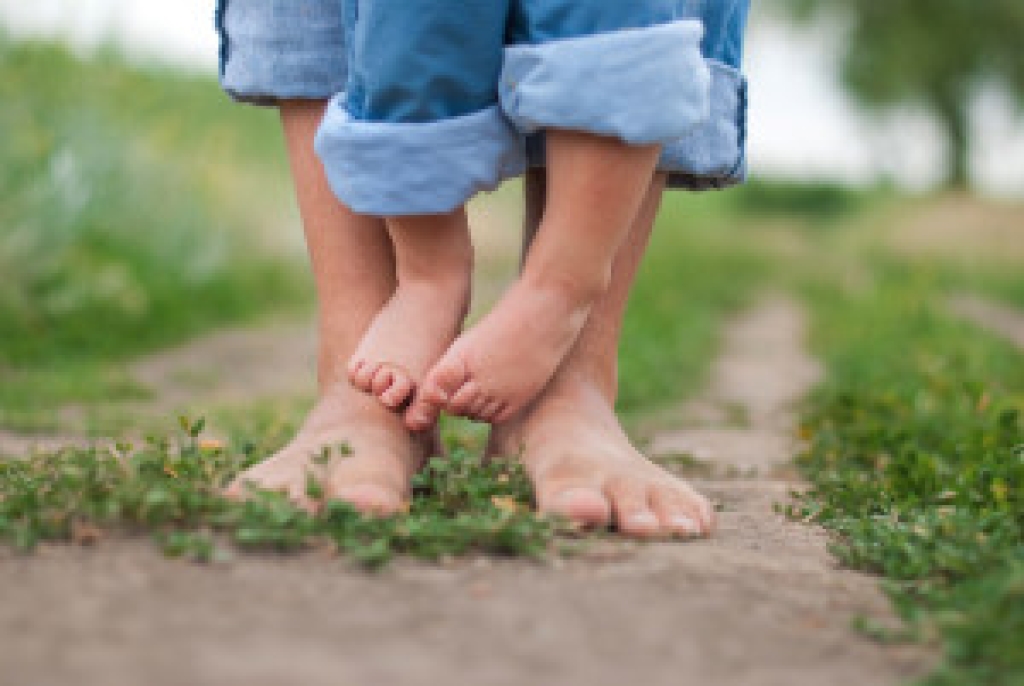 When a child is born, the bones in their feet are comprised of soft cartilage. Research has indicated that it is beneficial for a child to walk barefoot while indoors, as this may help the feet to become stronger. This can happen when the toes grasp the floor, and this generally benefits the entire foot. When your child walks outdoors, it is important to properly measure their feet, as this can help to best determine the correct shoe size. When the first shoes are purchased, it is suggested that they are made of a lightweight and breathable material, in addition to having non-slip soles. Children’s feet grow rapidly, and it is wise to have them measured approximately every six weeks. Many babies are born with flat feet, and the arches will gradually develop as the feet become stronger. If this fails to occur, it is advised that you consult with a podiatrist who can properly diagnose any foot condition your child may have.
The health of a child’s feet is vital to their overall well-being. If you have any questions regarding foot health, contact Dr. Edwin S. Hart of Pennsylvania. Our doctor can provide the care you need to keep you pain-free and on your feet.
Tips for Keeping Children's Feet Healthy
If you have any questions, please feel free to contact our office located in Bethlehem, PA . We offer the newest diagnostic and treatment technologies for all your foot care needs.