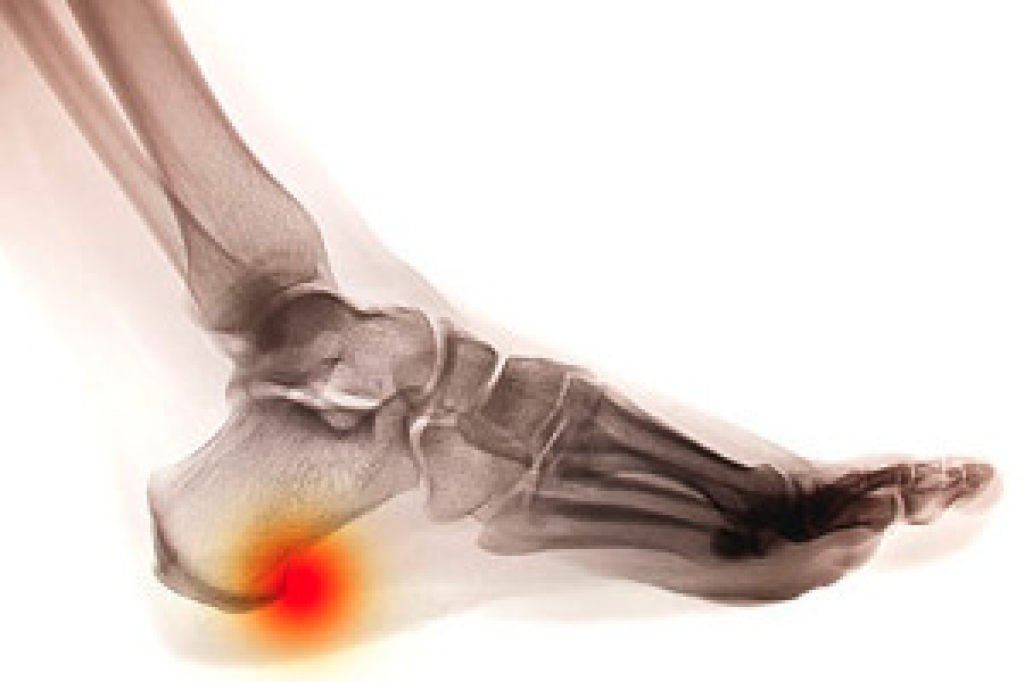
Causes of Heel Spurs

If you are experiencing a hard lump on the bottom of the heel, you may have what is referred to as a heel spur. It generally comes from calcium deposits and is typically caused by injuries or strains to the foot. If the heel endures pressure, possibly caused by jogging, excess weight, or shoes that fit poorly, heel spurs may gradually develop, often causing discomfort and pain. Other causes of this condition may include having flat feet, standing the majority of the day, or experiencing less flexibility in the plantar fascia which affects the stability of the heel. Possible treatment options may include wearing shoes with a cushioned heel or custom made orthotics. Please schedule a consultation with a podiatrist if you are affected by heel spurs and would like more information.

Heel spurs can be incredibly painful and sometimes may make you unable to participate in physical activities. To get medical care for your heel spurs, contact Dr. Edwin S. Hart from Pennsylvania. Our doctor will do everything possible to treat your condition.

Heels Spurs

Heel spurs are formed by calcium deposits on the back of the foot where the heel is. This can also be caused by small fragments of bone breaking off one section of the foot, attaching onto the back of the foot. Heel spurs can also be bone growth on the back of the foot and may grow in the direction of the arch of the foot.

Older individuals usually suffer from heel spurs and pain sometimes intensifies with age. One of the main condition's spurs are related to is plantar fasciitis.

Pain

The pain associated with spurs is often because of weight placed on the feet. When someone is walking, their entire weight is concentrated on the feet. Bone spurs then have the tendency to affect other bones and tissues around the foot. As the pain continues, the feet will become tender and sensitive over time.

Treatments

There are many ways to treat heel spurs. If one is suffering from heel spurs in conjunction with pain, there are several methods for healing. Medication, surgery, and herbal care are some options.

If you have any questions, please feel free to contact our office located in Bethlehem, PA . We offer the newest diagnostic and treatment technologies for all your foot care needs.
Read more about Heel Spurs

What Are Flat Feet?

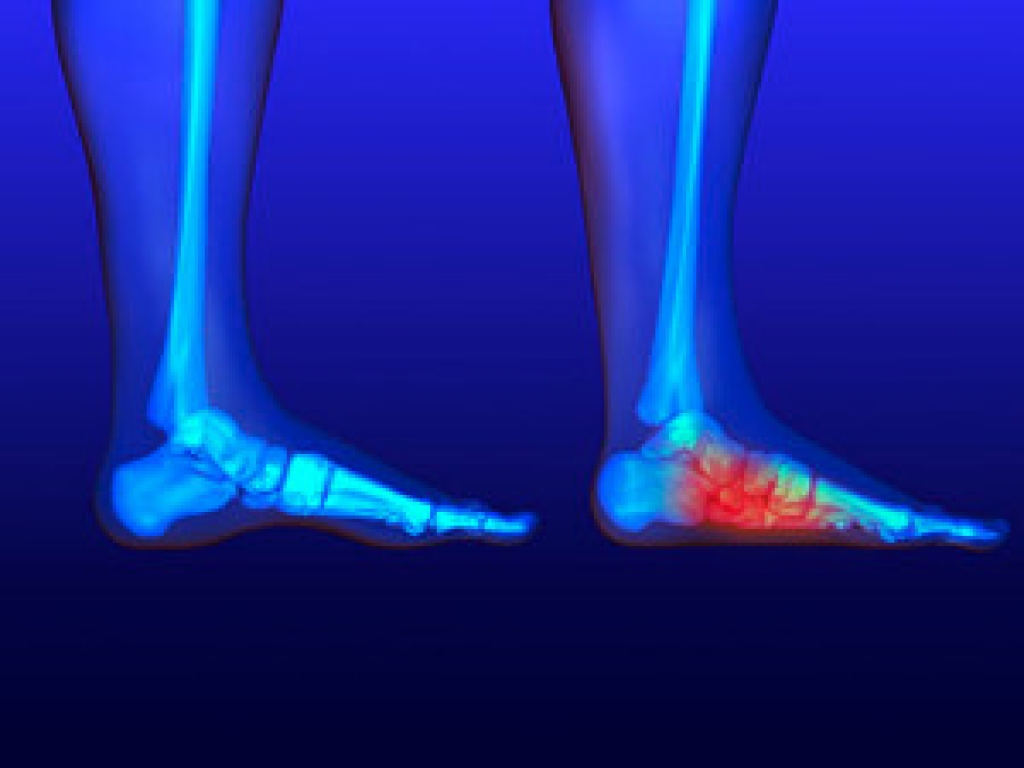
Flat feet is a common foot condition where young people typically have no painful symptoms, but may develop as they age. Flat feet may also be referred to as fallen arches, and commonly develop due to an inherited gene. The arch in the foot is not present or minimal, which causes the foot to lie flat against the floor while standing. The foot is comprised of 26 bones, in addition to numerous muscles and tendons. While walking, gravity from the weight of the body may cause pressure, often resulting in muscle imbalance, which may affect the arch of the foot. Age may also play a role in developing flat feet because the tendons surrounding the ankles may weaken, possibly causing the arches to fall. If you experience this condition, there are stretching exercises that can be performed to aid in preventing future foot issues from occurring. Please consider a consultation with a podiatrist if any pain is experienced for a proper diagnosis and treatment.

Flatfoot is a condition many people suffer from. If you have flat feet, contact Dr. Edwin S. Hart from Pennsylvania. Our doctor will treat your foot and ankle needs.

What Are Flat Feet?

Flatfoot is a condition in which the arch of the foot is depressed and the sole of the foot is almost completely in contact with the ground. About 20-30% of the population generally has flat feet because their arches never formed during growth.

Conditions & Problems:

Having flat feet makes it difficult to run or walk because of the stress placed on the ankles.

Alignment – The general alignment of your legs can be disrupted, because the ankles move inward which can cause major discomfort.

Knees – If you have complications with your knees, flat feet can be a contributor to arthritis in that area.  

Symptoms

  • Pain around the heel or arch area
  • Trouble standing on the tip toe
  • Swelling around the inside of the ankle
  • Flat look to one or both feet
  • Having your shoes feel uneven when worn

Treatment

If you are experiencing pain and stress on the foot you may weaken the posterior tibial tendon, which runs around the inside of the ankle. 

If you have any questions, please feel free to contact our office located in Bethlehem, PA . We offer the newest diagnostic and treatment technologies for all your foot care needs.
Read more about Flat Feet

All About Plantar Fasciitis

Plantar fasciitis affects more than three million people each year. This ailment typically occurs when the foot’s shock absorbing ligament, also known as the plantar fascia, suffers inflammation or small tears from too much tension or stress. The ligament associated with plantar fasciitis runs across the entire bottom of the foot. However, the pain associated with this condition is usually only located within the center of the heel. Some people do tend to experience pain up into their arch, though. Plantar fasciitis can be caused by a variety of occurrences such as jobs that keep people on their feet, stressful exercises, obesity, or wearing shoes with little support. Treatments for plantar fasciitis may include icing your feet, receiving cortisone injections, wearing a specialized boot, and even doing stretches. If you are experiencing any foot pain, an appointment with your podiatrist is highly advised.      

Plantar fasciitis can be very painful and inconvenient. If you are experiencing heel pain or symptoms of plantar fasciitis, contact Dr. Edwin S. Hart  from Pennsylvania. Our doctor can provide the care you need to keep you pain-free and on your feet.

What Is Plantar Fasciitis?

Plantar fasciitis is the inflammation of the thick band of tissue that runs along the bottom of your foot, known as the plantar fascia, and causes mild to severe heel pain.

What Causes Plantar Fasciitis?

  • Excessive running
  • Non-supportive shoes
  • Overpronation
  • Repeated stretching and tearing of the plantar fascia

How Can It Be Treated?

  • Conservative measures – anti-inflammatories, ice packs, stretching exercises, physical therapy, orthotic devices
  • Shockwave therapy – sound waves are sent to the affected area to facilitate healing and are usually used for chronic cases of plantar fasciitis
  • Surgery – usually only used as a last resort when all else fails. The plantar fascia can be surgically detached from the heel

While very treatable, plantar fasciitis is definitely not something that should be ignored. Especially in severe cases, speaking to your doctor right away is highly recommended to avoid complications and severe heel pain. Your podiatrist can work with you to provide the appropriate treatment options tailored to your condition.

If you have any questions, please feel free to contact our office located in Bethlehem, PA . We offer the newest diagnostic and treatment technologies for all your foot care needs.

Read more about Plantar Fasciitis

What is Sesamoiditis?

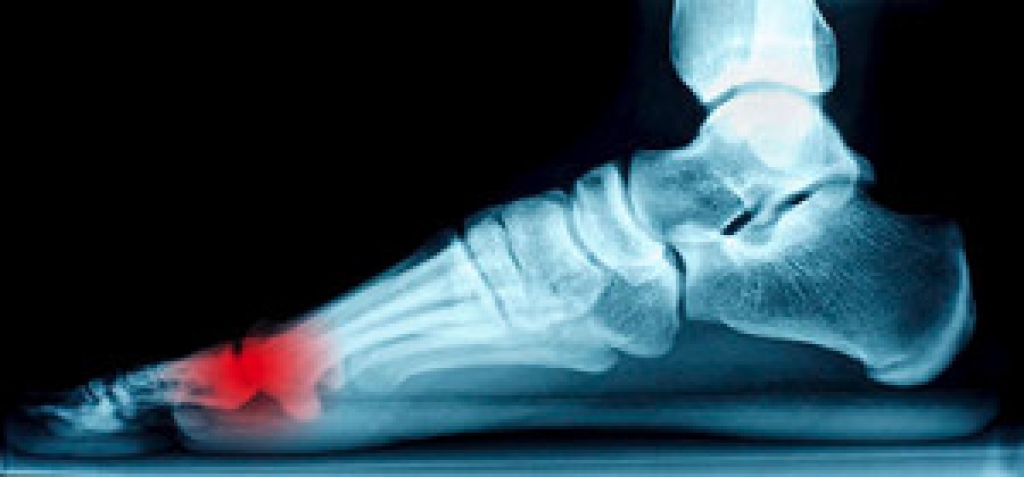
The tendons attached to the bones located on the sole of the foot are referred to as the sesamoid bones. If these tendons become inflamed, typically resulting from an injury, a condition known as sesamoiditis occurs. A common symptom is pain experienced under the ball of the foot while walking, or discomfort may be felt from standing on your toes because the tendons are stretched. Choosing to wear high heels in addition to participating in sports that involve running and jumping may be common causes of this condition. Treatment may include ceasing the activity that caused sesamoiditis and considering a consultation with a podiatrist for custom-made insoles to provide relief.

Sesamoiditis is an unpleasant foot condition characterized by pain in the balls of the feet. If you think you’re struggling with sesamoiditis, contact Dr. Edwin S. Hart of Pennsylvania. Our doctor will treat your condition thoroughly and effectively.

Sesamoiditis

Sesamoiditis is a condition of the foot that affects the ball of the foot. It is more common in younger people than it is in older people. It can also occur with people who have begun a new exercise program, since their bodies are adjusting to the new physical regimen. Pain may also be caused by the inflammation of tendons surrounding the bones. It is important to seek treatment in its early stages because if you ignore the pain, this condition can lead to more serious problems such as severe irritation and bone fractures.

Causes of Sesamoiditis

  • Sudden increase in activity
  • Increase in physically strenuous movement without a proper warm up or build up
  • Foot structure: those who have smaller, bonier feet or those with a high arch may be more susceptible

Treatment for sesamoiditis is non-invasive and simple. Doctors may recommend a strict rest period where the patient forgoes most physical activity. This will help give the patient time to heal their feet through limited activity. For serious cases, it is best to speak with your doctor to determine a treatment option that will help your specific needs.

If you have any questions, please feel free to contact our office located in Bethlehem, PA . We offer the newest diagnostic and treatment technologies for all your foot care needs.

Read more about Sesamoiditis