Taking Care of Your Feet

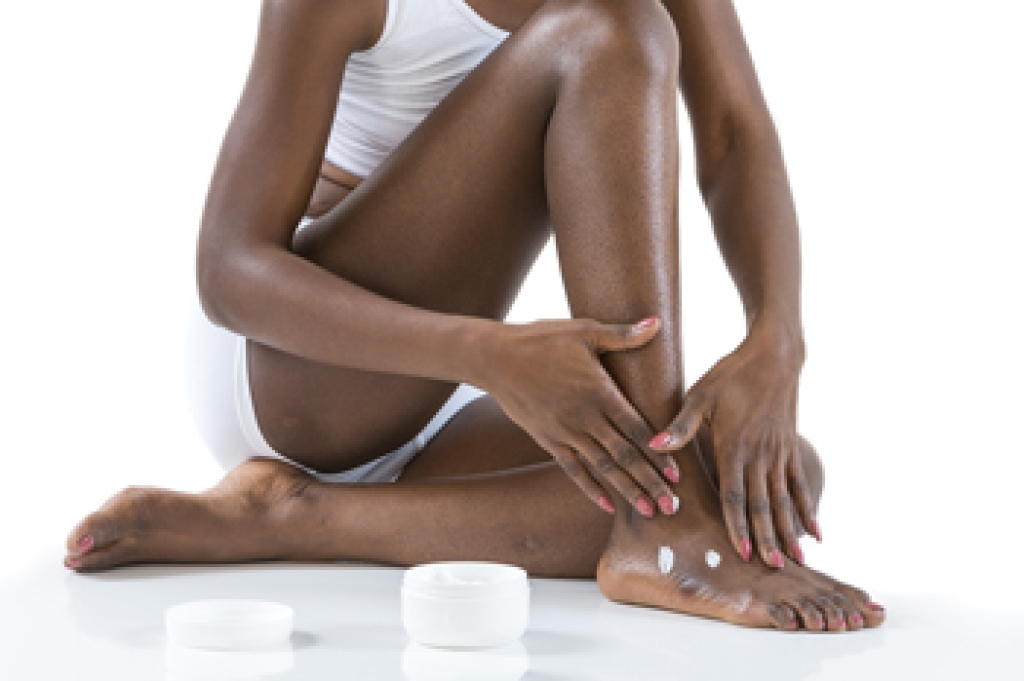
Feet go through a lot of wear and tear over the course of one’s life, so it's important to take small steps to ensure their overall health. Wearing comfortable shoes is key when trying to keep your feet healthy. Shoes that are tight or lack support can lead to various types of uncomfortable foot conditions. Some of these conditions include bunions, Morton’s neuroma, ingrown toenails, and blisters. Daily walking routines help keep the muscles in your feet active, flexible, and strong, which could prevent fallen arches or other complications later on in life. Most of the time, feet spend majority of the day confined to a shoe, which can trap moisture and bacteria. Cleaning your feet daily and wearing socks helps to prevent bacterial and fungal infections. Moisturizing your feet also contributes to their health by preventing dry, cracked, or scaly skin. If you would like any additional information on how to care for your feet, then it is suggested you speak with a podiatrist.

Everyday foot care is very important to prevent infection and other foot ailments. If you need your feet checked, contact Dr. Edwin S. Hart from Pennsylvania. Our doctor can provide the care you need to keep you pain-free and on your feet.

Everyday Foot Care

Often, people take care of their bodies, face and hair more so than they do for their feet. But the feet are a very important aspect of our bodies, and one that we should pay more attention to. Without our feet, we would not be able to perform most daily tasks.

It is best to check your feet regularly to make sure there are no new bruises or cuts that you may not have noticed before. For dry feet, moisturizer can easily be a remedy and can be applied as often as necessary to the affected areas. Wearing shoes that fit well can also help you maintain good foot health, as well as making it easier to walk and do daily activities without the stress or pain of ill-fitting shoes, high heels, or even flip flops. Wearing clean socks with closed shoes is important to ensure that sweat and bacteria do not accumulate within the shoe. Clean socks help to prevent Athlete’s foot, fungi problems, bad odors, and can absorb sweat.

If you have any questions, please feel free to contact our office located in Bethlehem, PA . We offer the newest diagnostic and treatment technologies for all your foot care needs.
Read more about Every Day Foot Care

Stretching the Feet May Benefit the Overall Body

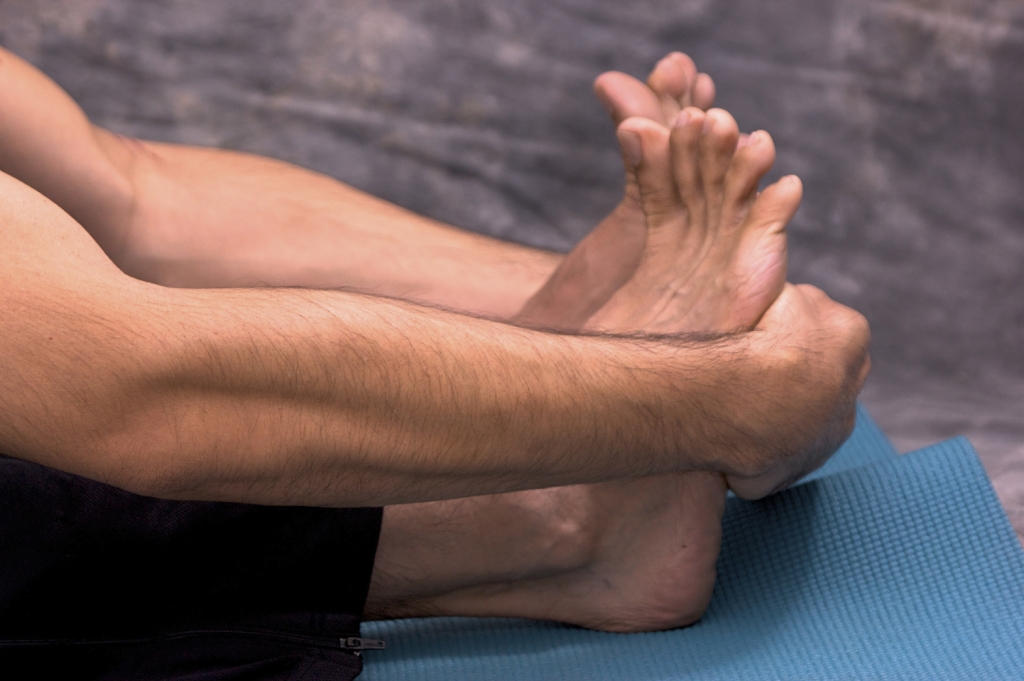
Research has shown that feet may be an important way to determine the cause for many aches and pains that may be present in the body.  When correct stretching techniques are incorporated into a daily routine, the general health of the body may be positively affected. An effective stretch for the arch of the foot is called a toe stretch. This may feel good if the toes become cramped in poorly fitting shoes. This is performed by interlacing the fingers between the toes, rotating the ankle, and repeating on the other side. If the arches in your foot feel tired, it may be beneficial to roll the bottom of your foot on a tennis ball, which may help to relax any tight muscles in the feet. Foot spasms may be avoided when the toes are frequently pointed and flexed. If you would like additional information about the benefits of stretching the feet, please consult with a podiatrist who can properly guide you.

Stretching the feet is a great way to prevent injuries. If you have any concerns with your feet consult with Dr. Edwin S. Hart from Pennsylvania. Our doctor will assess your condition and provide you with quality foot and ankle treatment.

Stretching the Feet

Being the backbone of the body, the feet carry your entire weight and can easily become overexerted, causing cramps and pain. As with any body part, stretching your feet can serve many benefits. From increasing flexibility to even providing some pain relief, be sure to give your feet a stretch from time to time. This is especially important for athletes or anyone performing aerobic exercises, but anyone experiencing foot pain or is on their feet constantly should also engage in this practice.

Great ways to stretch your feet:

  • Crossing one leg over the others and carefully pull your toes back. Do 10-20 repetitions and repeat the process for each foot
  • Face a wall with your arms out and hands flat against the wall. Step back with one foot and keep it flat on the floor while moving the other leg forward. Lean towards the wall until you feel a stretch. Hold for 30 seconds and perform 10 repetitions for each foot
  • Be sure not to overextend or push your limbs too hard or you could risk pulling or straining your muscle

Individuals who tend to their feet by regular stretching every day should be able to minimize foot pain and prevent new problems from arising.

If you have any questions please contact our office located in Bethlehem, PA . We offer the newest diagnostic and treatment technologies for all your foot and ankle needs.

Read more about Stretching Your Feet

Children’s Feet and Walking Barefoot

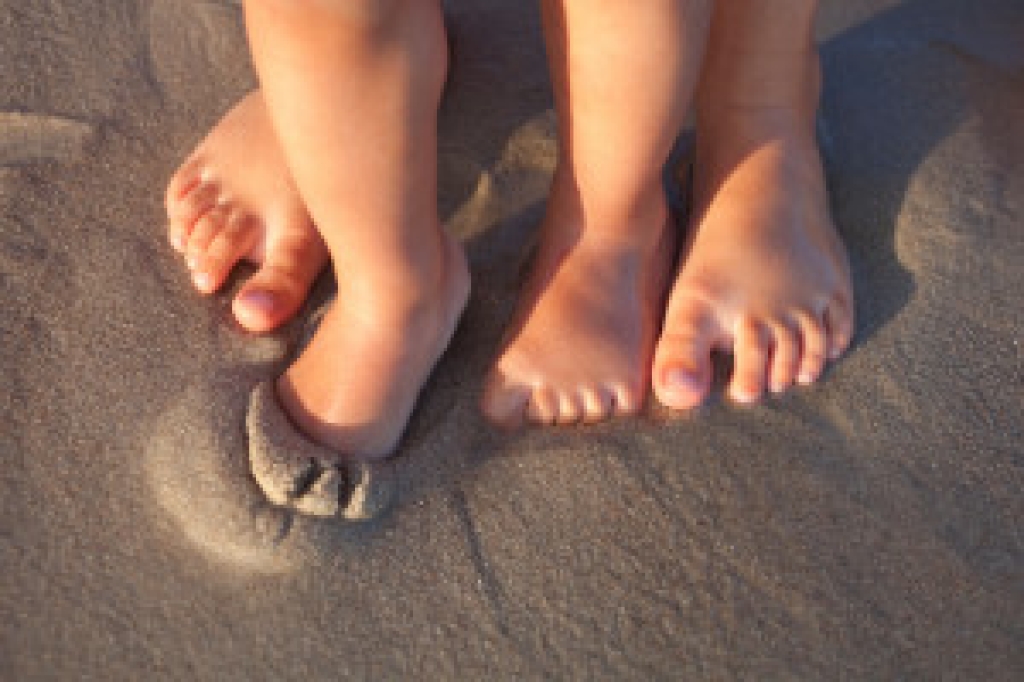
A child is generally born with flat feet, and the arches will fully develop by the age of eighteen. In the early months, there are fat pads on the soles of the feet, which make the feet soft and supple. The arch will begin to form as the child learns to walk, and the foot becomes stronger to accommodate the weight of the body. It is beneficial if the child walks barefoot indoors, and this may help to strengthen the muscles and tendons in the feet. Additionally, the toes become stronger as the grasping action occurs. Research has indicated that a child’s foot grows rapidly in the first five years, and should be properly measured every few months. When shoes are purchased, they should have adequate room for the toes to move freely, and proper support is important for maintaining the stability that is needed for walking. If you would like additional information about children’s foot health, it is advised to speak to a podiatrist who can answer any questions you may have.

Making sure that your children maintain good foot health is very important as they grow. If you have any questions, contact Dr. Edwin S. Hart of Pennsylvania. Our doctor can provide the care you need to keep you pain-free and on your feet.

Keeping Children's Feet Healthy

Having healthy feet during childhood can help prevent medical problems later in life, namely in the back and legs. As children grow, their feet require different types of care. Here are some things to consider...

Although babies do not walk yet, it is still very important to take care of their feet.

Avoid putting tight shoes or socks on his or her feet.

Allow the baby to stretch and kick his or her feet to feel comfortable.

As a toddler, kids are now on the move and begin to develop differently. At this age, toddlers are getting a feel for walking, so don’t be alarmed if your toddler is unsteady or ‘walks funny’. 

As your child gets older, it is important to teach them how to take care of their feet.

Show them proper hygiene to prevent infections such as fungus.

Be watchful for any pain or injury.

Have all injuries checked by a doctor as soon as possible.

Comfortable, protective shoes should always be worn, especially at play.

If you have any questions, please feel free to contact our office located in Bethlehem, PA . We offer the newest diagnostic and treatment technologies for all your foot care needs.
Read more about How to Care for Your Child's Feet

Risk Factors for Cuboid Syndrome

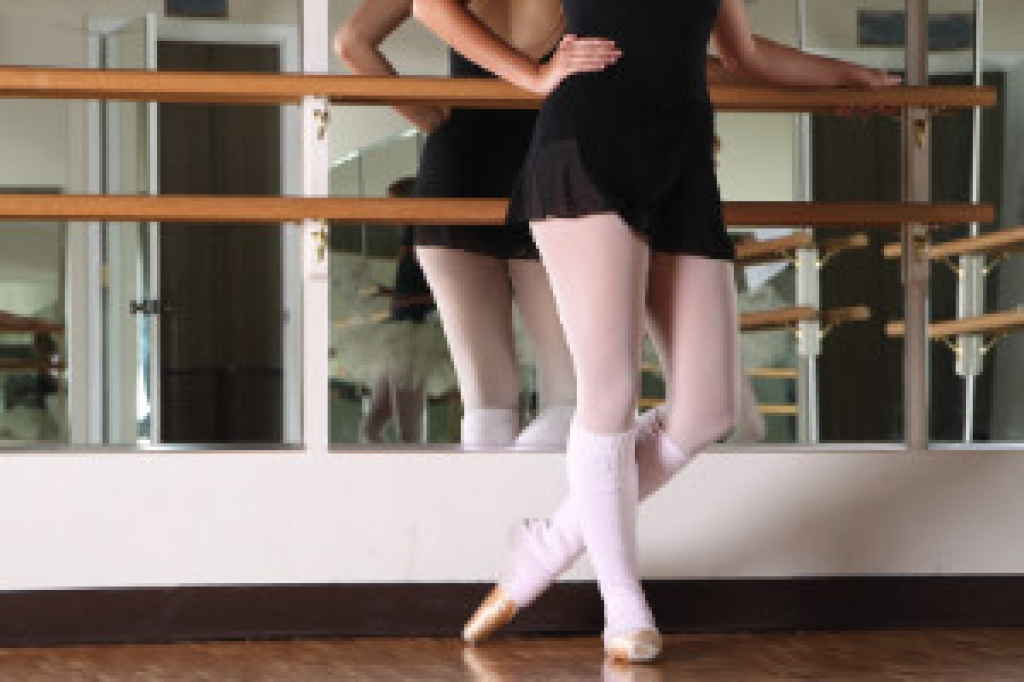
Cuboid Syndrome occurs when one of the bones in the middle of your foot becomes displaced, which results in pain on the lateral side of your foot. This pain can become sharper when weight is put on that side of the foot, the side where your smallest toe is, and this may affect your ability to walk normally. There are some factors that increase your risk of being afflicted with cuboid syndrome. These risk factors include being overweight, wearing tight shoes, not stretching before a workout, exercising on surfaces that are not flat, fracturing a bone in the foot, and practicing ballet. Practicing ballet is one of the most common causes for this condition because of the foot movement involved. Different types of arthritis and various bone conditions can also increase the likelihood of cuboid syndrome. If you think you may have cuboid syndrome or are concerned that certain aspects of your lifestyle might put you at a higher risk, then is it suggested you speak with a podiatrist.

Cuboid syndrome, also known as cuboid subluxation, occurs when the joints and ligaments near the cuboid bone in the foot become torn. If you have cuboid syndrome, consult with Dr. Edwin S. Hart from Pennsylvania. Our doctor will assess your condition and provide you with quality foot and ankle treatment.

Cuboid syndrome is a common cause of lateral foot pain, which is pain on the outside of the foot. The condition may happen suddenly due to an ankle sprain, or it may develop slowly overtime from repetitive tension through the bone and surrounding structures.

Causes

The most common causes of cuboid syndrome include:

  • Injury – The most common cause of this ailment is an ankle sprain.
  • Repetitive Strain – Tension placed through the peroneus longus muscle from repetitive activities such as jumping and running may cause excessive traction on the bone causing it to sublux.
  • Altered Foot Biomechanics – Most people suffering from cuboid subluxation have flat feet.

Symptoms

A common symptom of cuboid syndrome is pain along the outside of the foot which can be felt in the ankle and toes. This pain may create walking difficulties and may cause those with the condition to walk with a limp.

Diagnosis

Diagnosis of cuboid syndrome is often difficult, and it is often misdiagnosed. X-rays, MRIs and CT scans often fail to properly show the cuboid subluxation. Although there isn’t a specific test used to diagnose cuboid syndrome, your podiatrist will usually check if pain is felt while pressing firmly on the cuboid bone of your foot.

Treatment

Just as the range of causes varies widely, so do treatments. Some more common treatments are ice therapy, rest, exercise, taping, and orthotics.

If you have any questions, please feel free to contact our office located in Bethlehem, PA . We offer the newest diagnostic and treatment technologies for all your foot care needs.

Read more about Cuboid Syndrome

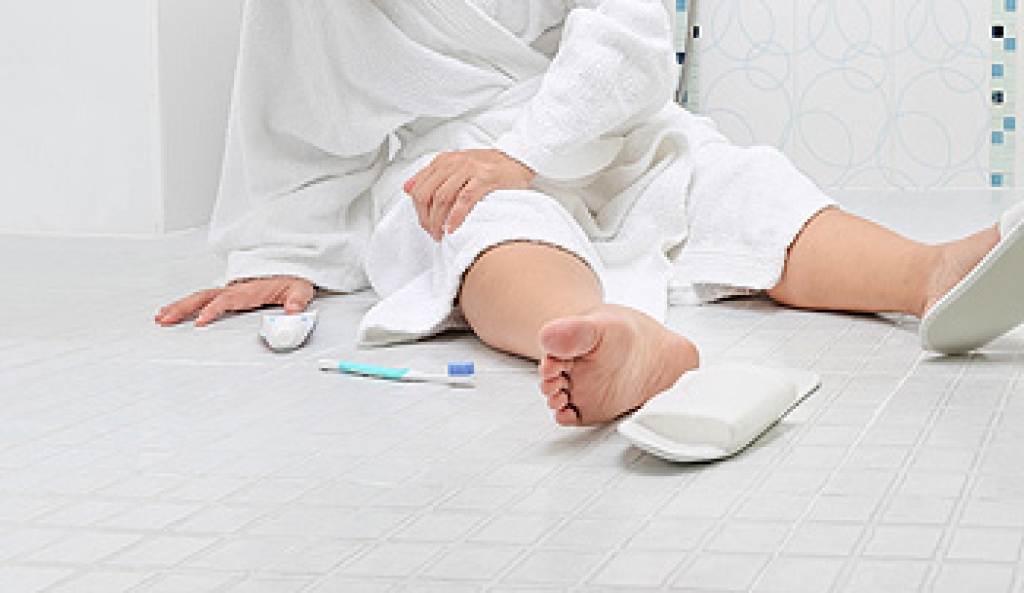
How to Avoid Falling as an Older Adult

Falling is a fear that many older adults face, because the consequences can lead to complicated difficulties in the future. Older adults are at a higher risk for falling because of other ailments they face such as, muscle weakness, balance problems, and issues with blood pressure when standing up. Confusion may also lead to falls, because it causes disorientation. Staying active helps to keep muscles moving and strong, which lessens the chances of losing stability. Creating a simple exercise routine such as, walking or climbing up steps for part of the day, will improve the flexibility of joints, tendons, and ligaments. Also, non-skid and rubber soled shoes are the best type of footwear to avoid slipping. Wearing only socks can be dangerous, especially with hardwood floors, so slippers that have some grip on the bottom are recommended. If you have fallen or fear falling, then it is suggested that you consult with a podiatrist about more options for falls prevention.

Preventing falls among the elderly is very important. If you are older and have fallen or fear that you are prone to falling, consult with Dr. Edwin S. Hart from Pennsylvania. Our doctor will assess your condition and provide you with quality advice and care.

Every 11 seconds, an elderly American is being treated in an emergency room for a fall related injury. Falls are the leading cause of head and hip injuries for those 65 and older. Due to decreases in strength, balance, senses, and lack of awareness, elderly persons are very susceptible to falling. Thankfully, there are a number of things older persons can do to prevent falls.

How to Prevent Falls

Some effective methods that older persons can do to prevent falls include:

  • Enrolling in strength and balance exercise program to increase balance and strength
  • Periodically having your sight and hearing checked
  • Discuss any medications you have with a doctor to see if it increases the risk of falling
  • Clearing the house of falling hazards and installing devices like grab bars and railings
  • Utilizing a walker or cane
  • Wearing shoes that provide good support and cushioning
  • Talking to family members about falling and increasing awareness

Falling can be a traumatic and embarrassing experience for elderly persons; this can make them less willing to leave the house, and less willing to talk to someone about their fears of falling. Doing such things, however, will increase the likelihood of tripping or losing one’s balance. Knowing the causes of falling and how to prevent them is the best way to mitigate the risk of serious injury.  

If you have any questions, please feel free to contact our office located in Bethlehem, PA . We offer the newest diagnostic and treatment technologies for all your foot care needs.

Read more about Falls Prevention